I used my Canon Rebel tonight to do some simple astrophotography. It was connected to my Nexstar mount for tracking and running BackyardEOS on the laptop to control it. After spending quite some time manually focusing and trying different ISOs and exposures I settled on ISO 1600 and 30 seconds. It was supposed to be clear but there were thin clouds all over. The bright “star” on the left is Mars and if you look closely in the lower left quadrant you’ll see the teapot of Sagitarrius. I was also hoping to capture the nova currently in Sagitarrius just above the spout and if I zoom in I can see a star right where the nova is but it’s none too impressive.
Butterflies and a Moth at the RRO
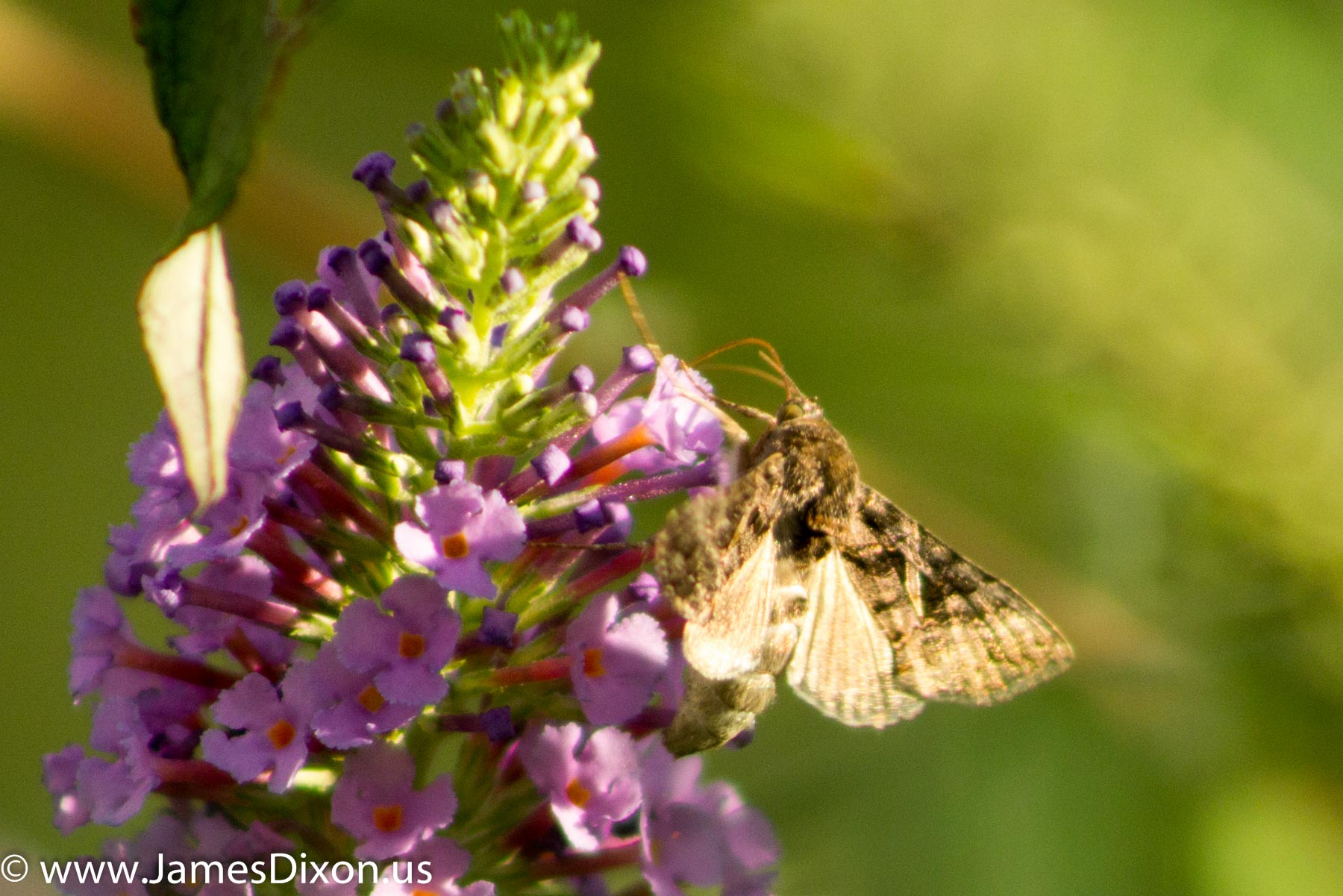
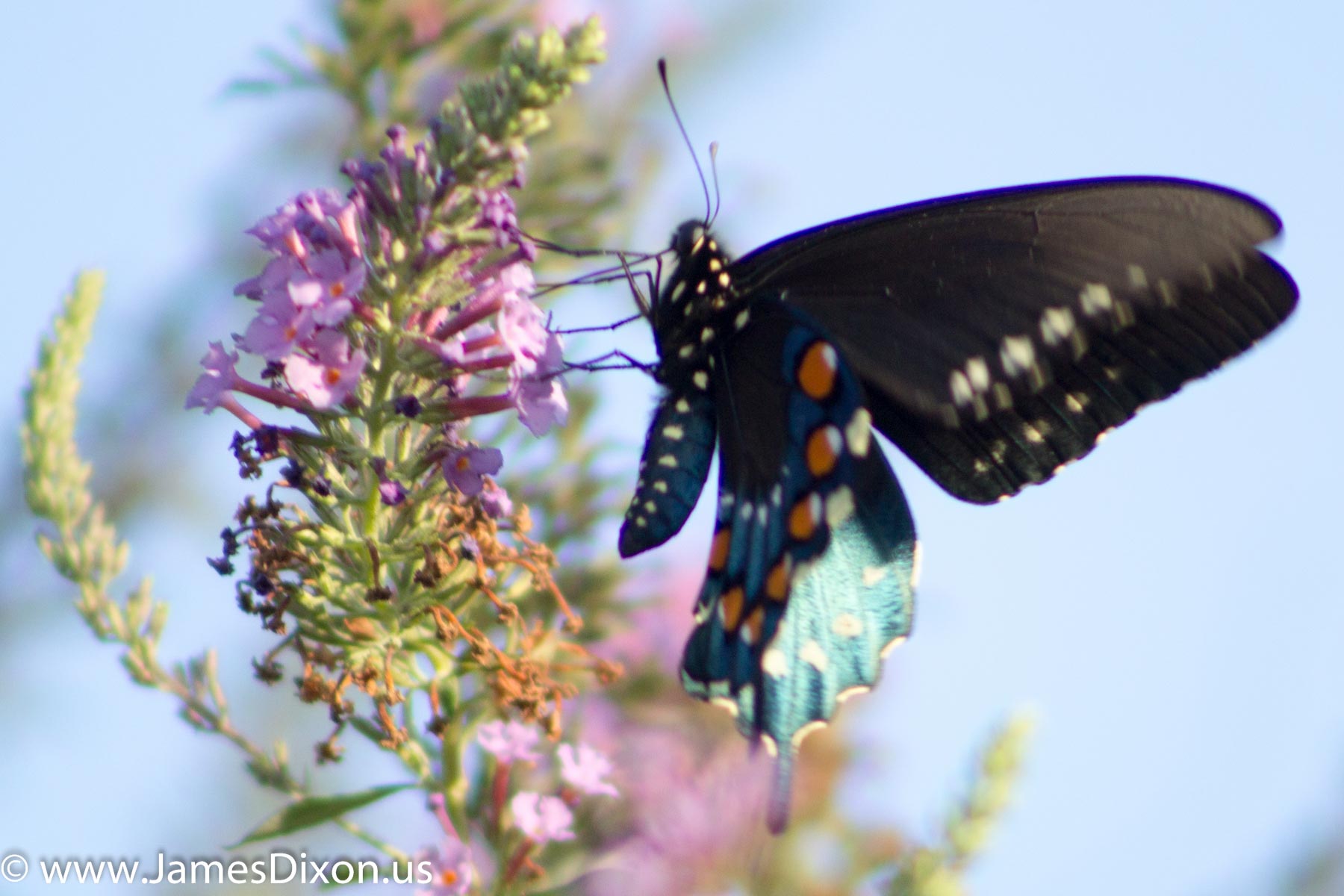
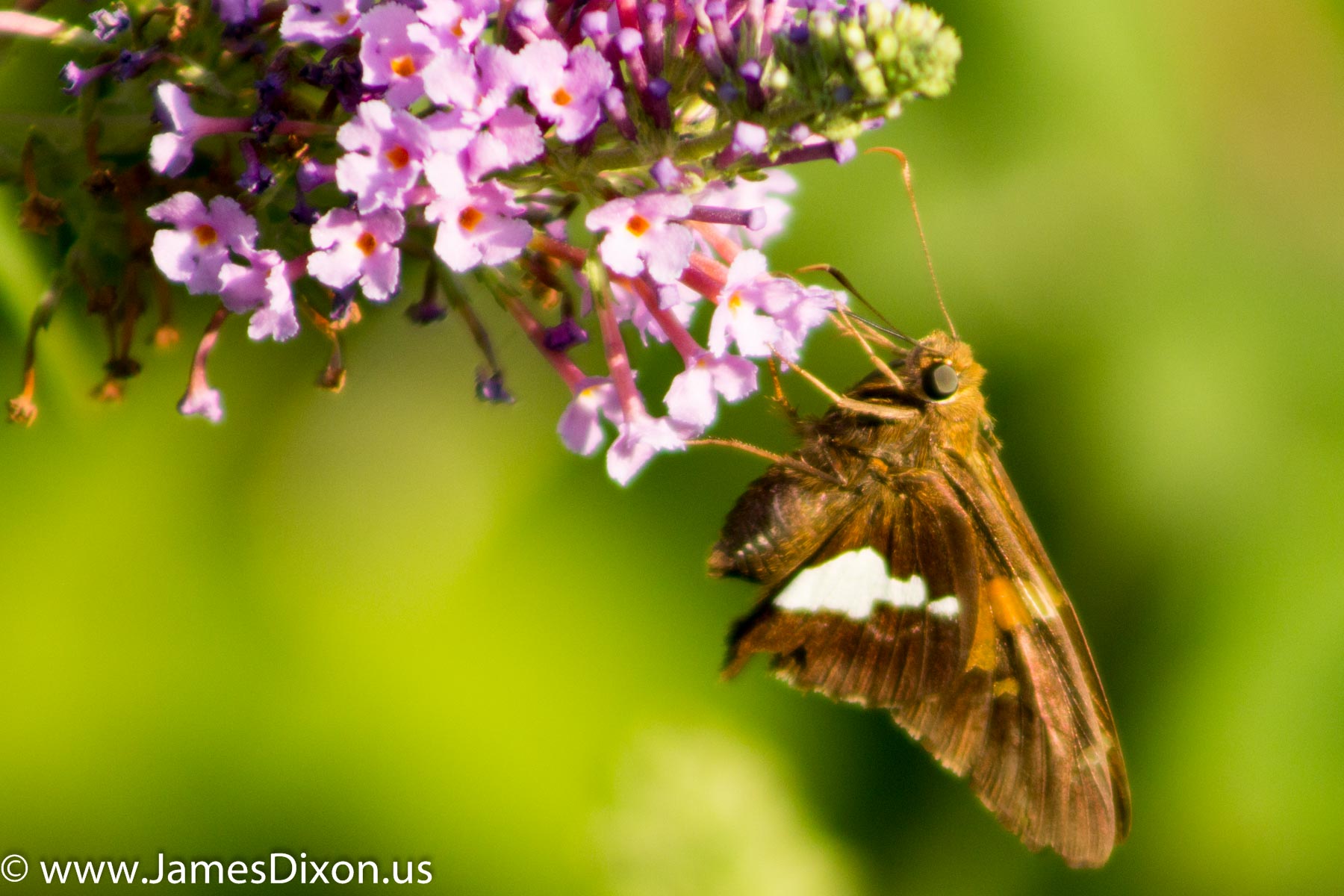
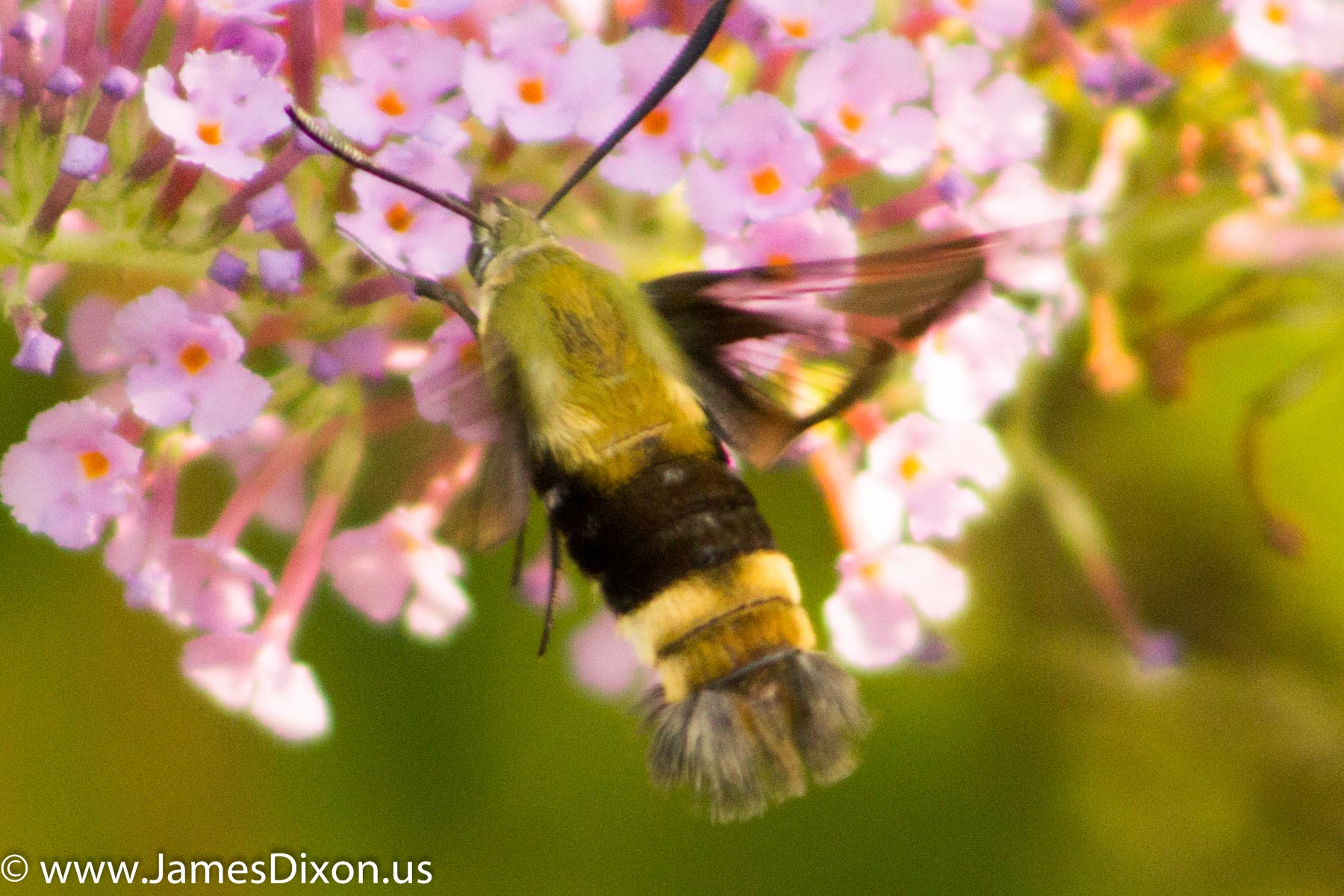
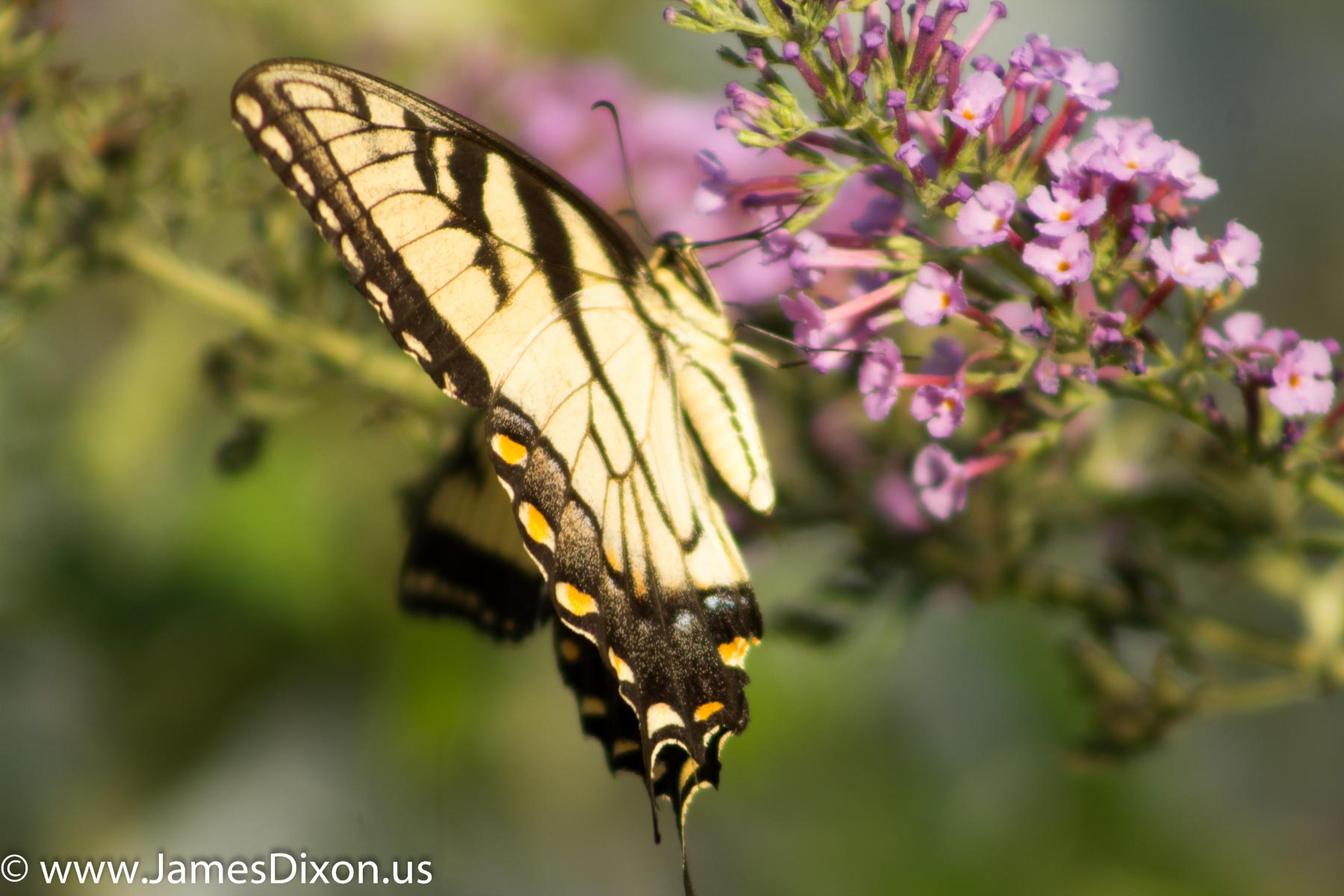
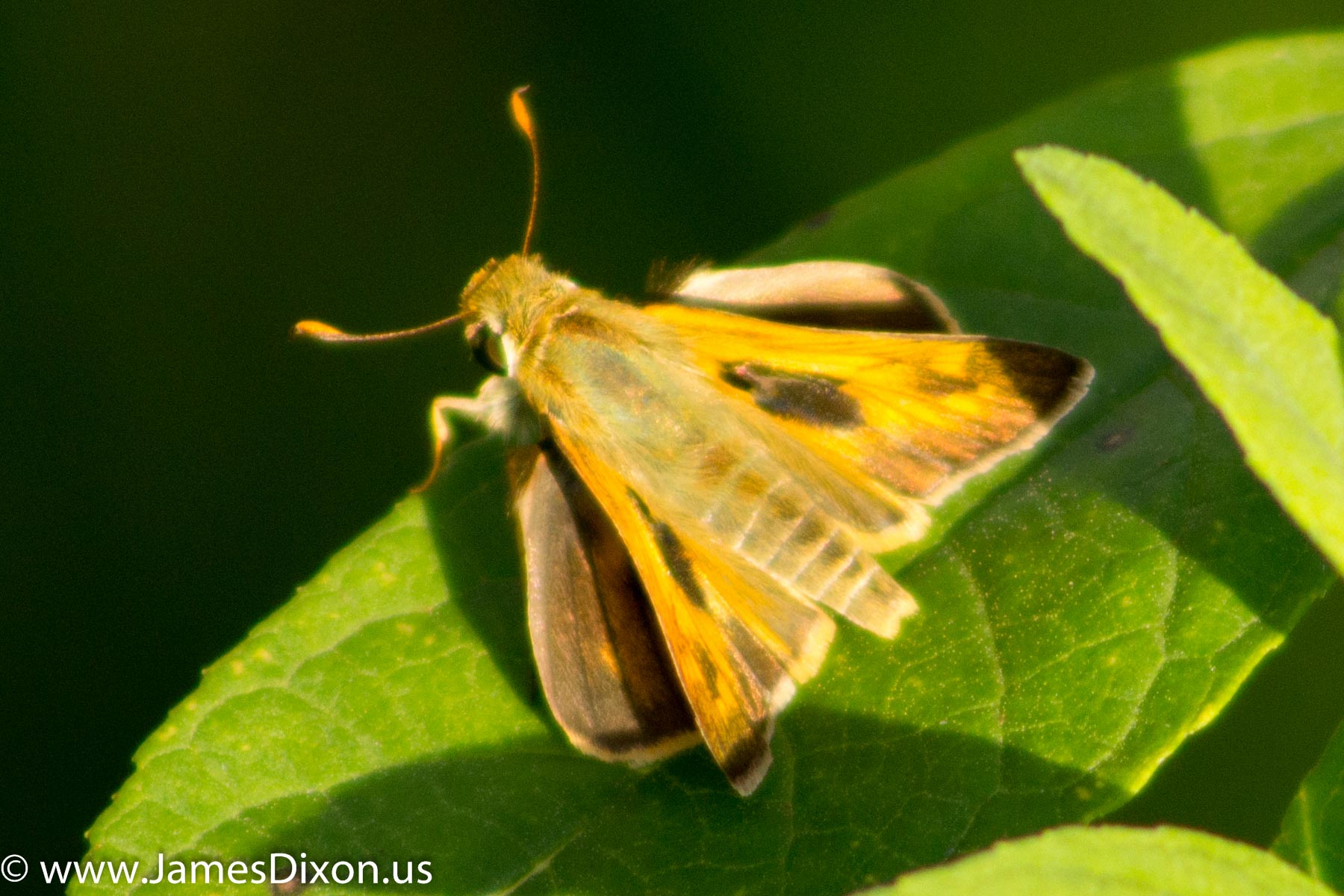
I went to mow at the River Ridge Observatory Tuesday evening but before I started I indulged myself taking pictures of several butterflies and a moth on the butterfly bush.
Jupiter, Mars, & Saturn 5/21/2016
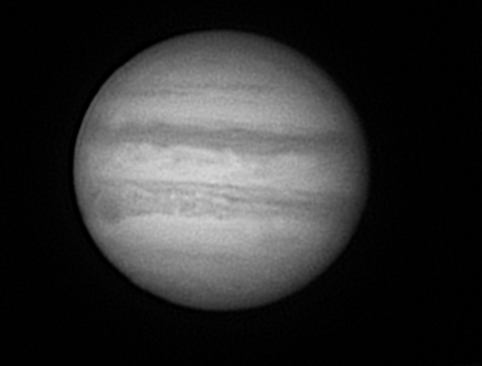
I went back to the River Ridge Observatory Saturday night to work on planets again. I had noticed some dust motes on my color camera that I’ve not been able to clean yet so I switched to my monochrome camera. It has a higher resolution. I started with Jupiter of course, and while the contrast is a little low look at these details! The Great Red Spot is at about 8 oclock near the edge and see the turbulence in the South Equatorial Belt?
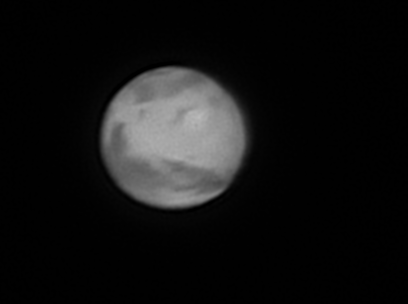
Mars was next and man it is bright! I didn’t wait until it or especially Saturn in its best position because that would be about 1 AM or later. I’ve flipped and rotated Mars to account for the diagonal, North is up. On the left is Syrtis Major Planitia. The light area at about 1 o’clock is Olympus Mons (tallest volcano in the solar system). Check this map (http://mars.jpl.nasa.gov/gallery/atlas/).
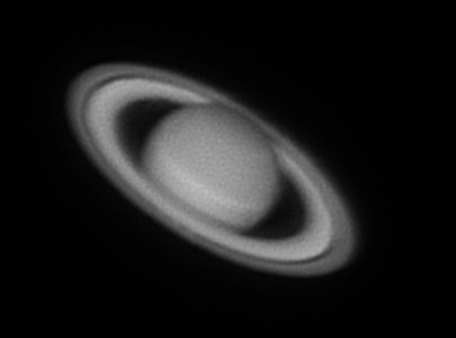
Finally, Saturn. No self respecting photographer would have shot Saturn this low in the sky but I did anyway. It sharpened up pretty well.